
Lifecycle Gaps Create Operational Nightmares
- Single product source truth
- Version control governance
- Complete change history tracking
- Structured attribute governance
- Product variant management
- SKU lineage tracking
- Automated approval routing
- Role-based access permissions
- Interdependent task management
- Real-time status visibility
- Automated handoff orchestration
- Escalation rule triggers
- Predefined regulatory templates
- Audit-ready product records
- Full change traceability
- Specification change controls
- Document version governance
- Evidence capture workflows
- Real-time impact analysis
- Dependency relationship mapping
- Version comparison insights
- Controlled rollback options
- Change risk alerts
- Propagation tracking logic
- Regional localisation management
- Multi-channel variation controls
- Packaging compliance rules
- Label governance workflows
- Launch timeline planning
- Release calendar management
- Cloud-native platform architecture
- API-first system connectivity
- Secure enterprise access
- High availability operations
- Role-governed permissions
- Failover continuity protection
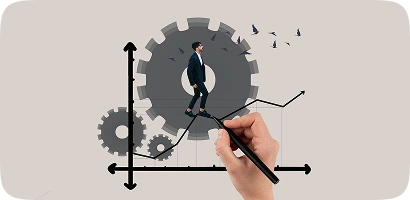
Design: Built around real product evolution, not fragmented departmental tool limitations.
Flow: Information flows naturally between lifecycle stages without duplication or confusion.
Consistency: Versions stay consistent across teams, regions, and production cycles.

Awareness: Every change propagates instantly across dependent systems, workflows, and teams.
Traceability: Each modification remains fully auditable with clear historical context preserved.
Stability: No silent breakages, hidden errors, or invisible downstream failures.

Context: Data always appears with relevant business implications, not isolated fields.
Guidance: Teams instantly understand what changed, why, and operational impact.
Confidence: Updates happen transparently, eliminating blind approvals and accidental mistakes.
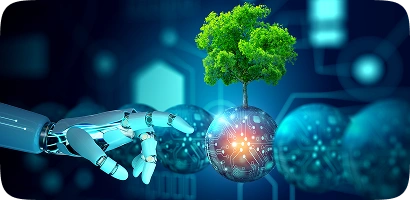
Integration: Connects ERP, sourcing, quality, manufacturing, and commerce systems seamlessly.
Alignment: Product truth remains consistent across regions, channels, and teams.
Scalability: Growth happens smoothly without rework, downtime, or disruptive migrations.
Managing Products From Idea to Impact Seamlessly
Product lifecycle management systems unify teams, data, and decisions across every product stage. From ideation to launch to retirement, these platforms ensure visibility, traceability, and collaboration. This reduces errors, speeds innovation, and helps businesses bring better products to market, faster and more efficiently.
Data
Workflows
Records
Cycles
Systems
Tracking
Planning
Visibility
Product Intelligence Creates Faster Decisions And Lower Risk

Our systems preserve every decision, dependency, and change rationale, ensuring teams never lose critical context during redesigns, regional launches, regulatory updates, supplier changes, or product evolutions.

Automated workflows, controlled approvals, and real-time collaboration remove bottlenecks, enabling teams to launch products faster, reduce miscommunication, eliminate rework, and meet dynamic market windows.

Specifications, documentation, and changes remain audit-ready across markets, ensuring regulatory adherence, traceability, and consistency without manual tracking, duplicated effort, or last-minute compliance firefighting.

Each product update strengthens governance, improves collaboration, and reduces operational friction, enabling continuous improvement across sourcing, development, manufacturing, distribution, and commercialisation stages.
Azilen Makes Product Complexity Manageable

Unlimited

View

View

Tactics


Sense

with
Problem
Statement

Fast

We design PLM platforms that support usability, clarity, and inclusive decision-making across diverse product teams.
Explore Our Consumer Technology Ecosystem

Leverage demand forecasting solutions to guide product lifecycle planning, launches, scaling decisions, and timely retirements globally for enterprises.

Align product lifecycle management with trade promotions and pricing analytics, optimizing profitability, timing, and market responsiveness globally today.

Integrate sustainability tracking dashboards with lifecycle systems, enabling responsible design, compliance visibility, and circular product strategies.
Frequently Asked Questions (FAQ's)
A Product Lifecycle Management system centralises product data, workflows, approvals, and change histories across every stage, from ideation to retirement. It replaces fragmented spreadsheets, emails, and disconnected tools with a single source of truth. PLM enables faster launches, controlled changes, better collaboration, and regulatory compliance, ensuring product decisions remain traceable, consistent, and operationally aligned across teams and regions.
Consumer goods brands manage frequent product changes, packaging updates, regulatory shifts, supplier modifications, and market variations. Without PLM, these changes create confusion, errors, and delays. A PLM system ensures structured governance, version control, and coordinated workflows. This reduces rework, prevents compliance failures, and improves speed-to-market while maintaining consistent product information across sourcing, manufacturing, and distribution.
PLM platforms automate approvals, track dependencies, and maintain controlled version histories. Teams no longer wait on email chains or manual handoffs. Every stakeholder sees the latest specifications, documentation, and readiness status. This removes miscommunication, eliminates rework, and accelerates collaboration. As a result, launches become predictable, faster, and far less risky—even across multiple regions and channels.
Yes. PLM systems maintain audit-ready records, change logs, specification histories, and controlled documentation. This makes compliance easier across markets with varying regulatory requirements. Instead of scrambling for evidence during audits, teams can instantly retrieve who changed what, when, and why. This ensures consistent product governance, lowers regulatory risk, and avoids costly last-minute fixes.
PLM creates a shared workspace where product managers, engineers, quality teams, suppliers, and marketers collaborate using the same data. Version conflicts disappear because everyone works from a single source of truth. Automated workflows guide approvals and handoffs, ensuring accountability. This structured collaboration prevents misunderstandings, speeds decision-making, and reduces costly mistakes across distributed teams.
PLM systems provide full traceability for every change, showing dependencies, impacted components, and downstream effects. This prevents silent breakages and unintended consequences. Teams can compare versions, roll back changes safely, and simulate impacts before execution. Controlled change management ensures product evolution remains structured, auditable, and predictable rather than chaotic and reactive.
Modern PLM platforms are designed to integrate with ERPs, sourcing systems, quality platforms, manufacturing tools, and commerce systems. API-first architectures ensure seamless data flow without replacing core tools. This creates a connected product ecosystem where changes in PLM automatically propagate to execution systems, eliminating duplication, inconsistencies, and manual reconciliation across departments.
PLM enables brands to manage localisation rules, packaging variations, labelling requirements, and regulatory constraints across regions. Teams can coordinate releases, control timelines, and maintain consistent product identities while adapting to local requirements. This structured governance prevents market-specific errors, accelerates international launches, and ensures consistent product quality worldwide.
Yes. FMCG environments require frequent product updates, rapid launches, and strict compliance. PLM systems handle high change velocity by maintaining clear version control, dependency mapping, and approval workflows. This prevents chaos when products evolve quickly. With PLM, FMCG brands maintain speed without sacrificing accuracy, governance, or operational stability.