
Our intelligence keeps warehouses running without firefighting

- Live inventory tracking
- Dynamic location mapping
- Order flow visibility
- Pick-pack transparency
- Zone congestion alerts
- Throughput performance views
- Priority-based picking
- Wave optimisation logic
- Batch processing rules
- Multi-order sequencing
- Slotting optimisation
- Load consolidation
- AMR coordination
- ASRS synchronisation
- Conveyor integration
- Robot task scheduling
- Human-robot workflows
- Collision avoidance logic
- Stockout forecasting
- Overstock detection
- Demand modelling
- Replenishment triggers
- SKU velocity scoring
- Expiry risk alerts
- Dynamic slotting
- Bin density mapping
- Aisle congestion analysis
- Vertical capacity insights
- Dead-zone detection
- Layout simulations
- Audit traceability
- Chain-of-custody logs
- Temperature compliance
- Handling validations
- Safety incident records
- Regulatory exports

Integration: We connect WMS, ERP, robotics, sensors, and fulfilment platforms seamlessly.
Consistency: Every automation decision references a single operational source of truth.
Continuity: No data gaps, no manual syncing, no conflicting warehouse records.
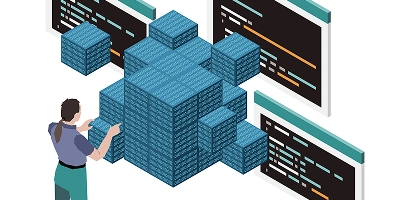
Precision: Systems adapt to space, labour, equipment, and throughput limitations automatically.
Resilience: Workflows recalibrate instantly when orders spike or disruptions occur.
Efficiency: Every movement serves throughput goals, not human convenience.

Clarity: Dashboards highlight actions, not decorative operational statistics only.
Context: Every metric explains what to fix, not just what happened.
Trust: No black-box automation decisions hiding operational logic from teams.

Learning: Systems improve using historical picking, packing, and routing patterns.
Forecasting: Simulate demand spikes, staffing needs, and storage constraints.
Control: Performance never plateaus, it continuously improves with operational learning.
Intelligent Warehouses Designed for Speed, Accuracy, and Scale
Warehouse automation transforms manual operations into intelligent, self-coordinating systems. From robotic picking to smart sorting, these solutions reduce errors, speed up fulfillment, and improve space utilization. Businesses gain higher throughput, better inventory accuracy, and lower dependency on manual labor, without sacrificing flexibility.
Systems
Lines
Allocation
Sync
Processing
Workflows
Engines
Operations
Warehouse automation is now operational infrastructure, not innovation

Modern warehouses no longer rely on static workflows. Automation platforms dynamically allocate tasks, reroute orders, rebalance labour, and reprioritise fulfilment activities continuously, ensuring consistent throughput even when demand patterns shift unexpectedly.

Automation now treats robotics as first-class operational participants, not external tools. Systems coordinate AMRs, conveyors, ASRS, and human workers through shared intelligence layers, reducing idle time, collisions, and fragmented task execution.

Warehouse platforms now forecast stockouts, overstock, and seasonal surges using predictive analytics, allowing operations teams to prepare capacity, labour, and replenishment strategies before disruption hits.

Instead of focusing on isolated KPIs, modern systems optimise for end-to-end throughput, ensuring picking, packing, staging, and dispatch work as one synchronised performance engine.
Azilen builds warehouses that actually run themselves

Unlimited

View

View

Tactics


Sense

with
Problem
Statement

Fast

Helping enterprises build intelligent warehouse systems that prioritise accuracy, safety, accessibility, and operational clarity across every fulfilment workflow.
Explore Azilen’s Logistics Intelligence Ecosystem

Connect warehouse automation solutions with fleet optimization systems, improving dispatch coordination, turnaround times, and delivery reliability globally enterprise for scaling.

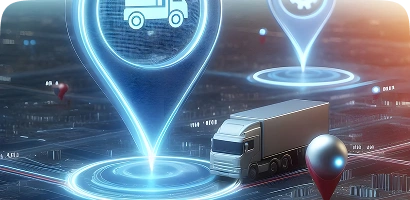
Integrate real-time shipment tracking into automated warehouses, enabling proactive exception handling, visibility, and faster fulfilment globally for enterprises.

Embed predictive maintenance analytics into warehouse automation, reducing downtime, extending equipment lifecycles, and improving throughput globally for enterprises.
Frequently Asked Questions (FAQ's)
Warehouse automation solutions use AI, robotics, sensors, and intelligent software to streamline picking, packing, inventory management, and order fulfilment. They replace manual workflows with orchestrated systems that improve speed, accuracy, and throughput. For UK enterprises, this means fewer errors, lower labour dependency, better scalability, and stronger operational resilience during demand spikes.
Automation reduces errors by eliminating manual data entry, enforcing rule-based workflows, and validating actions in real time. Barcode scanning, robotic picking, automated checks, and predictive validations ensure that the right item reaches the right destination. This significantly reduces mispicks, incorrect shipments, and costly returns, especially in high-volume UK fulfilment operations.
Yes. Modern warehouse automation platforms integrate with legacy and modern WMS, ERP, robotics, and IoT systems through APIs and middleware layers. This allows organisations to automate incrementally rather than replacing everything at once. Integration ensures continuity, protects existing investments, and enables phased transformation without operational downtime.
No. Automation scales across business sizes. Small and mid-sized warehouses benefit from faster fulfilment, better inventory accuracy, and reduced labour pressure. Modular automation allows UK SMEs to start with targeted improvements, like automated picking or stock forecasting, and expand as volume grows.
Automation synchronises picking, packing, staging, and dispatch into a single flow. Instead of isolated task execution, systems dynamically allocate work, rebalance loads, and prevent bottlenecks. This ensures smoother operations, fewer stoppages, and consistently higher throughput, even under peak demand conditions.
Yes. Automated systems create traceable digital records for handling, storage, temperature controls, and safety procedures. This simplifies audits, improves accountability, and reduces compliance risk. For UK warehouses operating under strict regulatory frameworks, this traceability is critical.
Timelines vary based on scope, integration complexity, and operational readiness. Many projects start delivering value within weeks using modular rollouts. Full-scale transformations may take several months. A phased approach ensures minimal disruption while continuously improving performance.
Yes. Automation reduces reliance on manual labour for repetitive, error-prone tasks while enabling human workers to focus on exception handling and supervision. This improves safety, reduces fatigue, and makes workforce planning more predictable, especially valuable in tight UK labour markets.
Automation uses real-time tracking, predictive modelling, and automated validation to ensure stock levels are always accurate. It detects anomalies early, prevents stockouts, and avoids overstocking. This leads to better space utilisation, fewer write-offs, and higher service reliability.