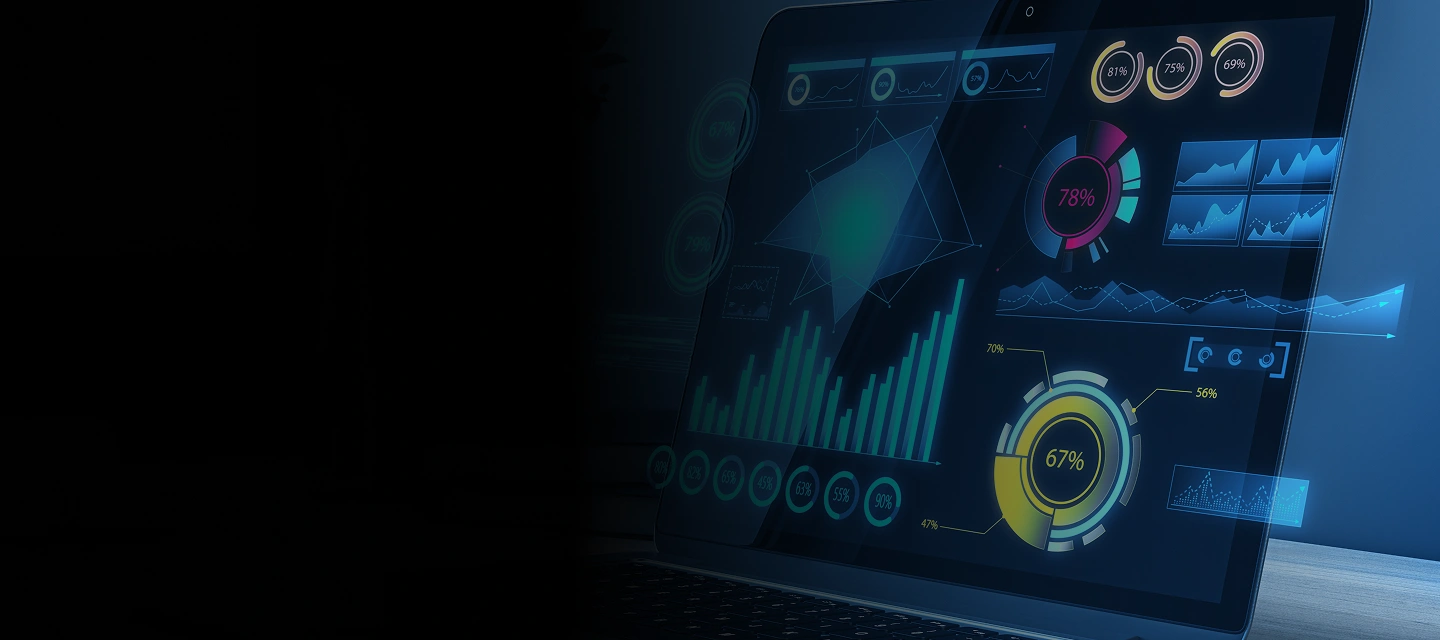
Poor visibility creates expensive hospitality mistakes daily

- Live KPI monitoring
- Departmental performance views
- Service throughput tracking
- Bottleneck identification tools
- Workload distribution analysis
- Efficiency trend insights
- Housekeeping task visibility
- Front-desk flow tracking
- Maintenance response metrics
- Staff utilisation analysis
- Interdepartmental dependencies
- Process alignment indicators
- Delay probability modelling
- Resource shortfall detection
- Demand surge forecasting
- Capacity stress alerts
- Failure pattern recognition
- Preventive action triggers
- Dynamic staffing models
- Shift optimisation logic
- Load balancing tools
- Capacity forecasting engines
- Overutilisation alerts
- Idle resource detection
- Cost leakage tracking
- Revenue-impact correlations
- Budget variance analysis
- Expense trend insights
- Margin optimisation tools
- Profitability dashboards
- Audit trail generation
- Operational traceability
- Risk documentation logs
- Regulatory performance views
- Incident tracking systems
- Exportable compliance reports

Integration: We connect PMS, ERP, staffing, and service systems seamlessly.
Consistency: Every metric references a single, continuously updated data source.
Continuity: No broken data flows, no manual reconciliation, no conflicting numbers.

Precision: Dashboards reflect real-world capacity, staffing, and service limitations accurately.
Resilience: Models recalibrate instantly when operations face unexpected disruptions events.
Relevance: Every metric directly supports better operational decisions for teams.
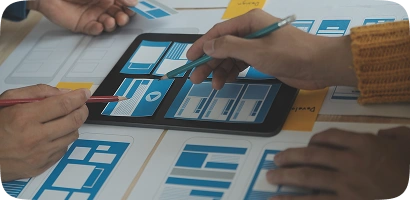
Clarity: Dashboards highlight actions, not decorative operational charts for teams.
Context: Every KPI explains what changed, why, and what to do.
Trust: No black-box analytics without explainable logic for teams ever.

Learning: Systems improve using historical performance and operational behaviours patterns.
Forecasting: Simulate peak loads, seasonal surges, and staffing constraints accurately.
Control: Efficiency continuously improves with every operational cycle across teams.
Clear Insights That Turn Complexity Into Control
Operational dashboards convert scattered data into clear, actionable insights. They help leaders monitor performance, detect issues early, and optimize resources continuously. With real-time visibility into workflows, costs, and service quality, teams make faster decisions and run smoother operations every day.
Metrics
Alerts
Views
Insights
Monitoring
Support
Tracking
Triggers
Fact: Dashboards Are Replacing Daily Status Meetings

Dashboards now detect performance degradation before it becomes visible, enabling proactive staffing adjustments, preventive maintenance, and timely service interventions, reducing disruptions while maintaining guest experiences.

Operations no longer operate in silos; unified dashboards provide visibility across housekeeping, front-desk, maintenance, and F&B, allowing teams to coordinate, prioritise, and resolve issues faster.

Instead of waiting for reports, managers act instantly as dashboards surface anomalies, capacity risks, and performance dips in time, accelerating resolution and preventing cascading failures.

Modern systems connect financial outcomes directly to operational actions, revealing how inefficiencies, delays, and staffing gaps affect margins in real time for hospitality teams today.
Azilen ends daily firefighting in hospitality operations

Unlimited

View

View

Tactics


Sense

with
Problem
Statement

Fast

Helping hospitality enterprises build inclusive, accessible, and efficient operational systems through real-time insights, intelligent workflows, and transparent performance measurement.
Explore More Hospitality Intelligence Solutions
Unify property and guest management data into dashboards, delivering visibility, control, and faster decisions globally for hotel teams.

Analyze smart check-in journeys within dashboards, optimizing staffing, flows, and service quality globally for all hotel teams today.

Track loyalty performance within dashboards, refining rewards, targeting segments, and improving lifetime value globally for hotel brands today.
Frequently Asked Questions (FAQ's)
Operational efficiency dashboards are real-time visual platforms that consolidate performance metrics across departments like front desk, housekeeping, maintenance, and F&B. They track KPIs, identify bottlenecks, and surface anomalies instantly. For hospitality businesses, these dashboards enable faster decisions, better resource allocation, and consistent service delivery, without relying on spreadsheets, manual reports, or delayed summaries.
Efficiency dashboards improve hotel operations by providing real-time visibility into workloads, staffing gaps, service delays, and cost leakages. Instead of reacting after problems occur, managers can proactively adjust schedules, prioritise tasks, and rebalance resources. This reduces downtime, improves guest satisfaction, and prevents small inefficiencies from becoming large operational failures.
Hospitality dashboards typically track occupancy rates, housekeeping turnaround times, maintenance response SLAs, staffing utilisation, guest service throughput, and departmental performance. Advanced dashboards also include predictive indicators like capacity stress, delay probabilities, and workload imbalance. These metrics help leaders understand not just what is happening, but why it’s happening and what to fix next.
Reports show what already happened. Dashboards show what is happening right now. Unlike static reports, operational dashboards update continuously, trigger alerts, and highlight risks instantly. This allows managers to act immediately rather than waiting for end-of-day or weekly summaries. Dashboards transform data into live decision-support systems rather than historical documents.
Yes. Modern dashboards integrate with PMS, POS, staffing tools, maintenance platforms, IoT systems, and finance software. This creates a unified operational view across departments. Integration eliminates data silos, improves accuracy, and ensures that every decision is based on the same real-time information, not conflicting numbers from disconnected systems.
Dashboards reduce costs by identifying inefficiencies, resource waste, and underutilisation early. They highlight where staff is overloaded, where assets are idle, and where service delays are increasing. By acting on these insights immediately, hotels prevent revenue leakage, avoid unnecessary overtime, and improve productivity without increasing headcount.
Yes. Dashboards are especially valuable for multi-property groups. They standardise KPIs, provide portfolio-level visibility, and highlight performance differences between locations. This allows leadership teams to benchmark properties, identify best practices, and intervene early when specific sites begin underperforming, without micromanaging individual teams.
Dashboards reduce confusion by clarifying priorities, workloads, and performance expectations. Staff no longer rely on manual instructions or delayed updates. Automated alerts, task queues, and workload balancing features help teams focus on what matters most. This improves morale, reduces burnout, and creates smoother day-to-day operations.
Yes. Enterprise-grade dashboards include role-based access, encrypted data flows, audit trails, and GDPR-compliant consent handling. Sensitive operational and staff data is protected while remaining accessible to authorised users. This ensures visibility without compromising privacy, regulatory compliance, or organisational security requirements.