
Tracking that prevents shipments from mysteriously disappearing

- Live GPS telemetry
- Continuous position updates
- Geofenced milestone alerts
- Multi-carrier tracking
- Last-mile precision
- Location confidence scoring
- ETA forecasting engine
- Delay probability modelling
- Weather disruption analysis
- Traffic-aware routing
- Congestion impact scoring
- Exception risk alerts
- Timestamped event logging
- Chain-of-custody records
- Scan-point verification
- Proof-of-delivery capture
- Dispute resolution trails
- Audit-ready histories
- Courier API integrations
- Freight system connectors
- Port terminal feeds
- Custom partner adapters
- Unified data models
- Latency optimisation logic
- Live tracking pages
- Proactive notifications
- Delay explanations
- Dynamic ETA updates
- Delivery confidence indicators
- Self-service status views
- Timestamped event proofs
- Delivery confirmation logs
- Location verification trails
- Temperature breach alerts
- Incident documentation
- Regulatory export formats

Integration: We connect carriers, telematics, WMS, and customs feeds seamlessly.
Consistency: Every tracking event references a single operational source of truth.
Continuity: No blind spots, missing updates, or conflicting shipment records.
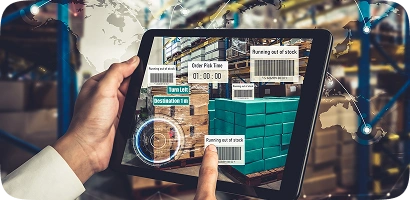
Precision: Systems model traffic, weather, capacity, and port congestion dynamically.
Resilience: Predictions recalibrate instantly when conditions or routes unexpectedly change.
Accuracy: Every ETA reflects real-world constraints, not static planning assumptions.
Clarity: Dashboards highlight actions, not decorative tracking animations or noise.
Context: Every alert explains what happened, why, and what changes.
Trust: No black-box status updates without clear operational explanations ever.

Learning: Systems improve using historical delivery patterns and recurring exception behaviours.
Forecasting: Simulate seasonal surges, border delays, and infrastructure disruptions globally.
Control: Visibility continuously improves with every successfully completed shipment cycle.
Total Shipment Visibility Across Every Mile and Moment
Real-time shipment tracking gives businesses and customers complete visibility into deliveries. From dispatch to doorstep, these systems monitor location, status, and delays continuously. This transparency improves trust, enables proactive problem-solving, and reduces support queries, while keeping operations agile and informed.
Updates
Alerts
Visibility
Systems
Pages
Automation
Notifications
Insights
Tracking Systems Are Becoming Logistics Decision Engines

Tracking systems now forecast delivery confidence, not just timestamps, enabling operations teams to intervene before delays become complaints, contract breaches, or reputational damage.

Modern platforms prioritise anomaly detection, flagging deviations, route anomalies, and customs delays, allowing teams to act before customers even notice.

Customers now expect live updates, explanations, and dynamic ETAs, not vague “in transit” statuses that hide reality.

Tracking records increasingly serve regulatory, insurance, and audit requirements, making traceability a legal necessity, not just operational convenience.
Azilen replaces panic with predictive tracking

Unlimited

View

View

Tactics


Sense

with
Problem
Statement

Fast

Helping enterprises build transparent logistics systems that improve accessibility, trust, and usability across every shipment touchpoint.
Explore Azilen’s Transport Intelligence Capabilities

Combine real-time shipment tracking with fleet optimization systems, enabling dynamic rerouting, visibility, and on-time deliveries globally for enterprises.


Integrate shipment tracking with warehouse automation solutions, coordinating dispatch, staging, and fulfilment workflows globally seamlessly.

Feed tracking data into predictive maintenance analytics, anticipating failures, scheduling service, and improving fleet reliability globally for enterprises.
Frequently Asked Questions (FAQ's)
Real-time shipment tracking continuously monitors shipment location, status, and condition using GPS, IoT, carrier APIs, and telematics. Unlike static systems, it provides live updates, predictive ETAs, and exception alerts. For UK logistics businesses, this reduces delivery disputes, improves customer communication, and enables proactive intervention when delays or disruptions occur.
Real-time tracking allows teams to detect issues early, reroute shipments dynamically, and communicate accurate ETAs. Instead of reacting after delays happen, operations can prevent them. This proactive capability improves service-level adherence, reduces failed deliveries, and strengthens customer trust, especially critical for time-sensitive UK supply chains.
Yes. Advanced tracking systems use AI models, historical patterns, traffic data, and weather feeds to forecast delay probabilities. Instead of simply showing location, they anticipate disruptions before they occur. This enables earlier interventions, alternative routing, and better communication, reducing operational stress and customer dissatisfaction.
Shipment tracking relies on GPS telemetry, carrier APIs, port feeds, IoT sensors, barcode scans, customs events, and WMS integrations. When unified, these create a continuous event stream. The richer and more connected these data sources are, the more accurate, reliable, and explainable tracking becomes.
Yes. Modern platforms integrate customs milestones, port systems, ocean freight feeds, and cross-border carriers. They provide end-to-end traceability, not just last-mile updates. For UK businesses operating globally, this visibility reduces customs delays, improves planning accuracy, and enhances regulatory compliance.
Customers receive proactive updates, realistic ETAs, and explanations for delays. This transparency builds trust and reduces support tickets. Instead of vague status messages, customers see meaningful progress. Over time, this improves satisfaction, loyalty, and brand perception.
Yes. Modern tracking platforms integrate with ERP, WMS, TMS, CRM, and carrier systems using APIs. This ensures tracking intelligence becomes part of daily workflows, not a separate tool. Seamless integration improves adoption, accuracy, and operational efficiency.
Absolutely. Timestamped events, chain-of-custody records, temperature logs, and proof-of-delivery records support audits, insurance claims, and regulatory reporting. For UK enterprises, this traceability reduces legal risk and simplifies documentation.
Implementation timelines depend on integration complexity, number of carriers, and data readiness. Cloud-based deployments can start delivering value in weeks, with phased rollouts minimising disruption. A structured onboarding approach ensures fast ROI.