












What We Build Across the Software Lifecycle
- Custom Business Applications
- Specialized Workflow Automation
- Complex Business Logic
- Bespoke Software Solutions
- Customer-facing Platforms
- Internal and Partner Portals
- Product Discovery and Strategy
- Software Architecture
- End-to-end Product Development
- Enterprise Application Development
- Security and Performance Engineering
- Continuous Product Evolution
- AI-enabled Applications
- AI Agents and Assistants
- Intelligent Workflow Automation
- Enterprise AI Integration
- Data-driven Decision Systems
- Production-ready AI Solutions
- Cloud-native Applications
- API Development
- Microservices Architecture
- Data Platform Engineering
- Cloud Infrastructure
- Scalable System Architecture
- Legacy Application Assessment
- Application Refactoring
- Architecture Modernization
- Progressive System Replacement
- Cloud Migration
- Critical System Continuity
- ERP and CRM Integration
- PIM and PLM Connectivity
- Payment System Integration
- API-led Integration
- Cross-platform Data Synchronization
- Enterprise System Interoperability

Security: Protect sensitive financial data and transactions.
Auditability: Keep financial decisions traceable and controlled.
Integration: Connect financial systems and customer platforms.

Customer Experience: Build connected digital shopping journeys.
Product Data: Connect product information across business systems.
Operations: Integrate inventory, payments and fulfilment workflows.
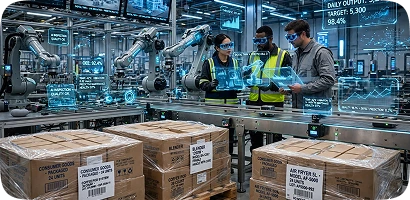
Product Data: Connect ERP, PIM and PLM systems.
Operation: Digitise manufacturing and operational workflows.
Integration: Connect suppliers and enterprise applications.
Product Engineering: Build and evolve scalable SaaS products.
Architecture: Modernize products without slowing feature delivery.
Cloud: Scale applications, APIs and infrastructure efficiently.
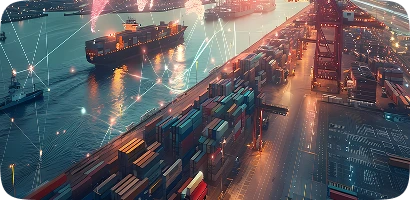
Workflows: Coordinate distributed teams and operational processes.
Integration: Connect logistics and enterprise systems.
Continuity: Keep critical operations running during modernisation.
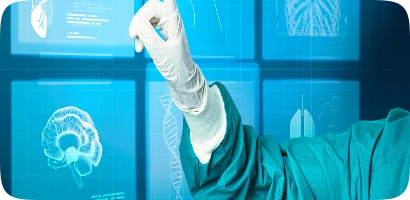
Data: Manage sensitive information across connected applications.
Interoperability: Connect systems, users and healthcare workflows.
Security: Support controlled access and secure operations.
Technologies Behind the Software We Build
- Java
- .NET
- Node.js
- Python
- Go
- Microservices
- React
- Angular
- Next.js
- TypeScript
- React Native
- Flutter
- AWS
- Microsoft Azure
- Google Cloud
- Kubernetes
- Terraform
- CI/CD Pipelines
- PostgreSQL
- SQL Server
- MongoDB
- Snowflake
- Databricks
- Apache Kafka
AI & Machine Learning
AI connected to your data, permissions and workflows.
Explore AI & Machine Learning
- OpenAI
- Azure OpenAI
- Anthropic Claude
- LangChain
- Vector Databases
- MLOps
Enterprise Platforms
Integrations with the systems you already run.
Explore Enterprise Platforms- Salesforce
- OroCommerce
- Workday
- SAP
- Microsoft Dynamics
- PIM & PLM Systems
From First Release to Full Platform: Software Built for London's Working Hub
London businesses compete with some of Europe's fastest-moving companies while running on platforms, partners and regulation built up over years. Off-the-shelf tools rarely fit that reality, and replacing everything is rarely the answer. Azilen builds bespoke software around how your business actually works. From a first MVP to the systems that run your operations, this is what London organisations come to us to build.
Tech Startups
London Scale-ups
Businesses
London HQs
Fintech Firms
Portfolio Companies
Into the UK
Spreadsheets
Where London Businesses Hit Software Roadblocks
- Independent review of code and delivery
- A clear, prioritised recovery plan
- Stabilise what's live first
- Get the roadmap moving again
- Structured handover from your current supplier
- Knowledge captured before it's lost
- No gap in support or releases
- Code and documentation in your hands
- Technical due diligence on code and security
- Scalability and hosting risks assessed
- Findings ranked by business impact
- A report decision-makers can act on
- Overlapping systems and data mapped
- Decide what to keep, merge or retire
- Platforms combined without disrupting customers
- One view of customers and operations
- Platforms adapted for UK customers
- UK GDPR-ready data handling
- UK payments and local integrations
- A London point of contact
- Undocumented code mapped and explained
- Single points of failure removed
- Support continues while knowledge is rebuilt
- No more dependence on one person
Engineering Support for London Technology Teams

Extend your internal team with software, product, AI, data and cloud engineers. Access a 500+ AI & Product Engineering organization without outsourcing your entire technology function.

Support defined product areas across architecture, development, testing and continuous evolution. Backed by 17+ years of software engineering experience across complex products and platforms.

Bring in a specialist team for a specific application, platform, integration or modernization initiative. Azilen has delivered 100+ software and technology projects across different business environments.

Work through architecture, technology choices, modernization and complex engineering requirements before development begins. London-based engagement backed by Azilen’s wider engineering organization.
How We Deliver Bespoke Software for London Teams
- 01You getA scoped backlog and delivery estimate
Discovery & Scoping
Workshops with your product and technology leads to map workflows, systems, data and constraints.
- 02You getAn agreed technical blueprint
Architecture & Design
Target architecture, integrations, security model and UX flows, reviewed with your team before build.
- 03You getWorking software every sprint
Iterative Build
Short sprints with regular demos, a shared backlog and code in your own repositories.
- 04You getTested, staged releases
Testing & Release
Automated testing, performance and security checks, and a cut-over plan for any system being replaced.
- 05You getContinued delivery or a clean handover
Evolve & Support
Ongoing feature development, monitoring and support as your business and users change.
Azilen Builds Software Without Compromising What Already Works

Unlimited

View

View

Tactics

Sense

with
Problem
Statement

Fast

( Growth - Sr VP )
Enabling businesses to turn complex technology requirements into connected, scalable digital solutions.
Software Services That Move Business Forward
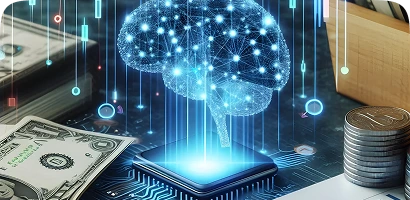
A consolidated lending ecosystem connecting credit management, insurance and earned wage access with AI-driven risk intelligence.

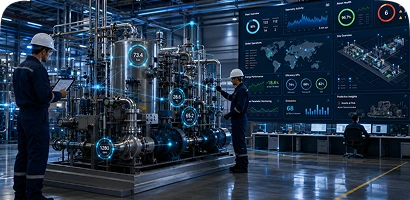
Built a centralised AWS-native platform to connect industrial assets, monitor energy performance and support predictive operations.
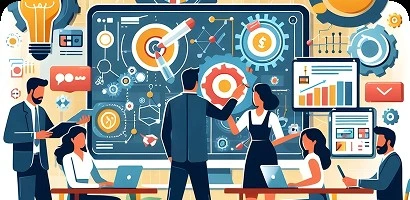
Integrated Workday HCM with a skills platform to create a connected foundation for workforce competency management.
Frequently Asked Questions (FAQ's)
Legacy software can often be modernized incrementally instead of being replaced in a single project. The process can involve refactoring applications, exposing APIs, moving selected workloads to the cloud, replacing individual components and improving the underlying architecture while keeping critical business processes operational.
When new features increasingly require workarounds, integrations become difficult to maintain and performance starts to decline, the underlying architecture may need attention. Software teams can assess the existing architecture, restructure key components, improve APIs and infrastructure, and address technical debt while continuing product development.
New applications can be connected to ERP, CRM, PIM, PLM and other enterprise platforms through APIs, middleware, data pipelines or event-driven architecture. The integration approach depends on how existing systems exchange data, where business logic resides and how the new application needs to interact with those systems.
An AI proof of concept needs to become part of the wider software environment before it can support real business workflows. This typically involves connecting the AI capability to enterprise data, applications and permissions, while also addressing security, monitoring, scalability, integration and production infrastructure.
Custom software becomes relevant when existing products cannot accommodate specialized workflows, complex business rules, differentiated customer experiences or required integrations. If the business process has to be changed significantly to fit a packaged platform, developing software around the actual requirements may provide a better technical and operational fit.
The decision depends on the condition of the existing application, its business criticality, technical constraints, data dependencies and the cost of continued maintenance. Refactoring can work when the core application remains viable, while targeted replacement or a full rebuild may be appropriate when the architecture can no longer support required functionality or future development.
The first step is understanding where the relevant data resides, how it moves between systems and which platform should remain the source of truth. Integration architecture, APIs, middleware, data pipelines and validation mechanisms can then connect those sources while maintaining data consistency across the applications that depend on it.
Common challenges include inconsistent data structures, legacy interfaces, duplicated business logic, security requirements, unreliable data flows and dependencies between critical systems. Successful integration requires an understanding of the existing architecture as well as a clear model for how data, processes and responsibilities should move between systems.
An external engineering team can supplement internal developers when product demands exceed available capacity or specialist skills are required. The additional team can take ownership of defined product areas, applications, integrations or modernization initiatives while the internal team continues to manage the product roadmap, domain knowledge and technology direction.