

Artificial Intelligence (AI): Technology that enables machines to simulate human intelligence, including learning, reasoning and decision-making.
Machine Learning (ML): A subset of AI where systems learn from data patterns to make predictions or decisions without being explicitly programmed.
Generative AI: AI models that generate new content such as summaries, text or insights based on large datasets.
Natural Language Processing (NLP): AI technology that enables computers to understand, interpret and analyse human language, including medical reports and claims descriptions.
Insurtech: Technology-driven innovation designed specifically for the insurance industry to improve efficiency, pricing and customer experience.
Telematics: Technology that collects real-time driving data such as speed, braking and cornering behaviour to assess risk and determine insurance premiums.
Cloud-Native Infrastructure: Insurance systems built directly in cloud environments, allowing scalability, flexibility and faster deployment of digital services.
Predictive Analytics: Advanced data analysis that uses historical and real-time data to forecast future outcomes, such as claim likelihood or fraud risk.
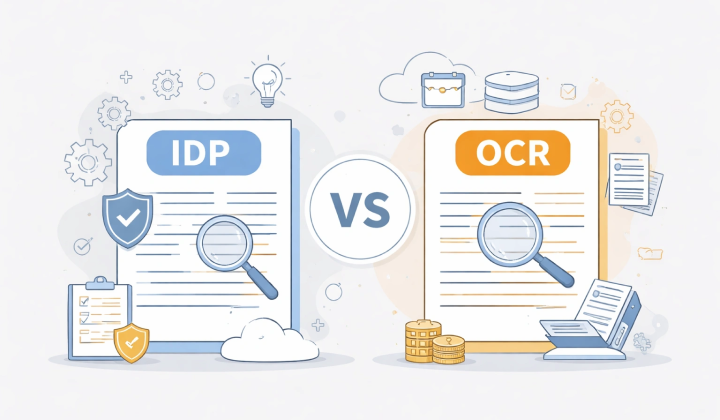
Intelligent Document Processing (IDP): AI-powered technology that extracts, classifies and validates data from structured and unstructured insurance documents.
Usage-Based Insurance (UBI): A pricing model where premiums are calculated based on real-world usage data, such as actual driving behaviour.
Fraud Detection Algorithms: Machine learning models designed to identify suspicious patterns or anomalies in insurance claims.
Explainable AI (XAI): AI systems that provide transparent reasoning behind decisions to ensure regulatory compliance and trust.
Kulmohan Makhija writes at the intersection of technology and business, with a strong Europe-focused enterprise lens. His work covers digital transformation, product engineering, and applied AI, with attention to regulatory, cultural, and operational realities across European markets. He explores how complex organizations modernize core systems without disrupting what already works. His perspective balances innovation with pragmatism, shaped by how transformation actually plays out on the ground