Most businesses do not struggle because their software suddenly stops working. The challenge grows quietly over time. Systems become slower, data gets trapped in silos, and integrating new technologies becomes increasingly difficult. As a result, teams spend more time maintaining legacy systems than driving innovation.
Brownfield Software Development: The Smart Alternative to Replacing Legacy Systems
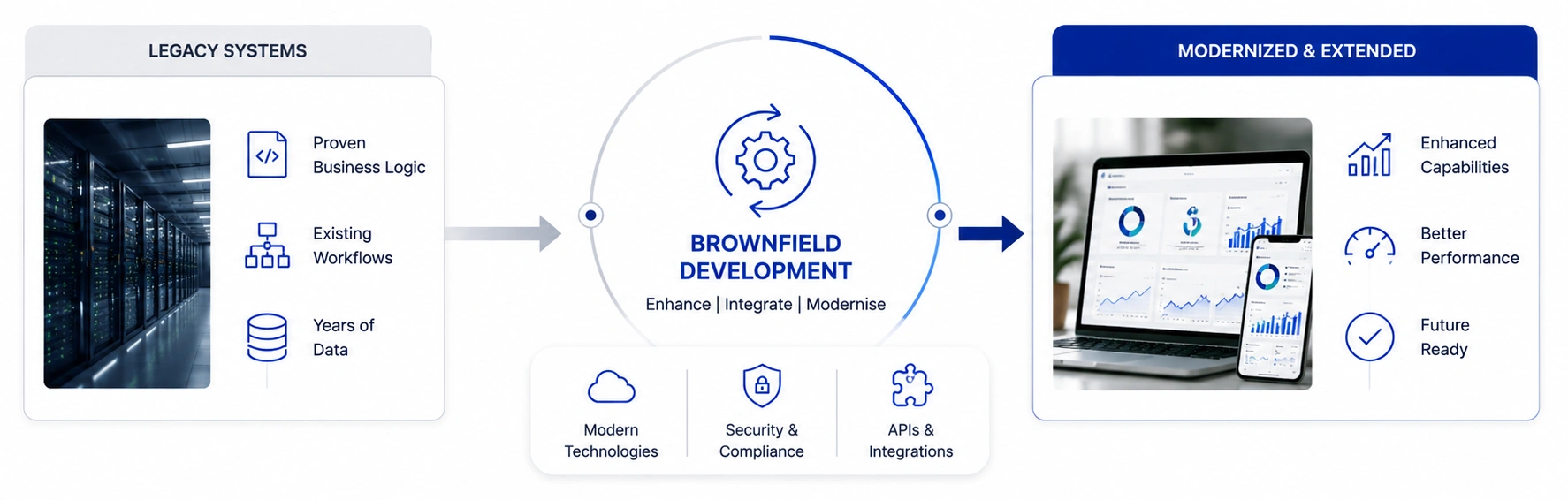
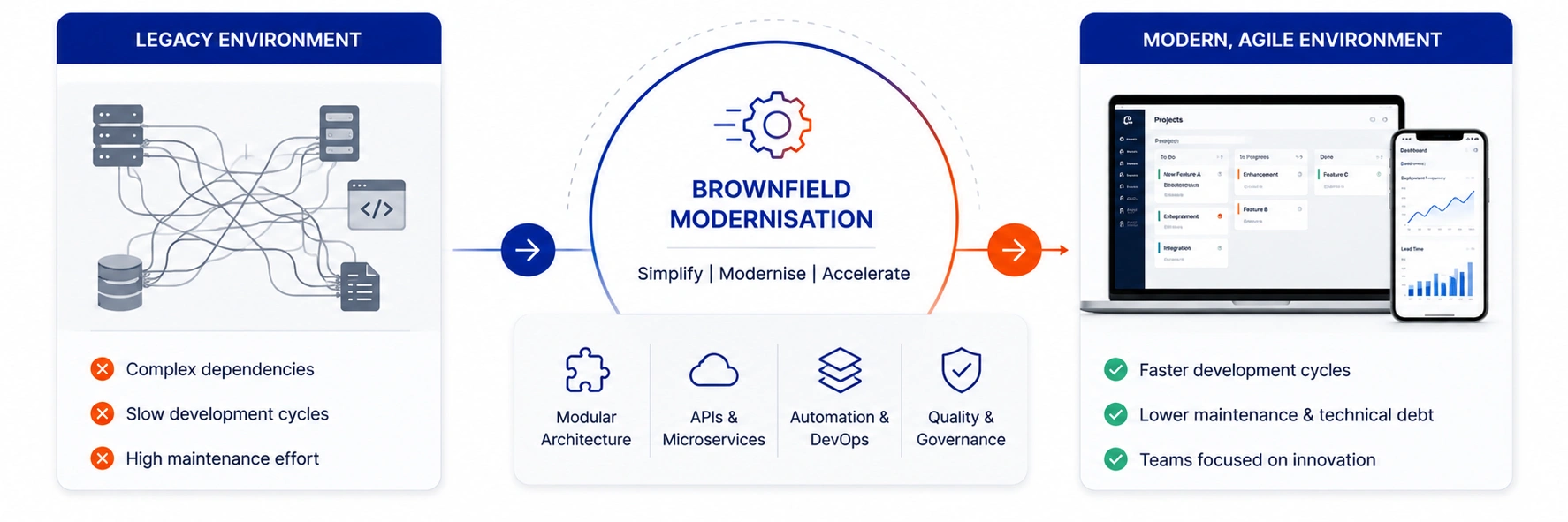
This is where Brownfield Software Development creates value. Instead of replacing everything, businesses modernise existing software, preserving what works while upgrading what limits growth.
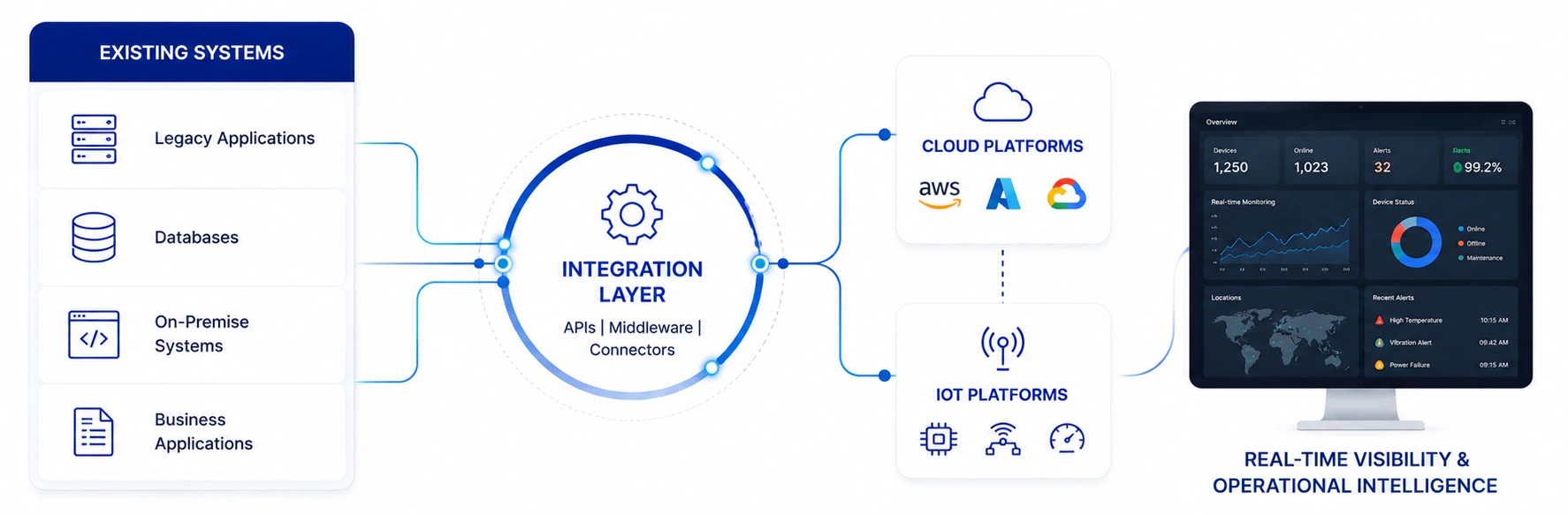
By integrating cloud, AI, IoT, and modern architectures into legacy platforms, organisations can reduce technical debt, improve agility, and stay competitive without disrupting day-to-day operations.
In this blog, we’ll explore how Brownfield Software Development helps UK enterprises transform legacy software from a business constraint into a long-term competitive advantage.
The Scale of the Problem – In Numbers
Before we get into the use case, it helps to understand what is really at stake. These figures are not projections. They are latest data points.
These are not abstract figures. If you are operating a manufacturing site, a financial services platform, or a supply chain operation in the UK, these numbers are directly relevant to your balance sheet.
What Problems Does Brownfield Software Development Actually Solve?
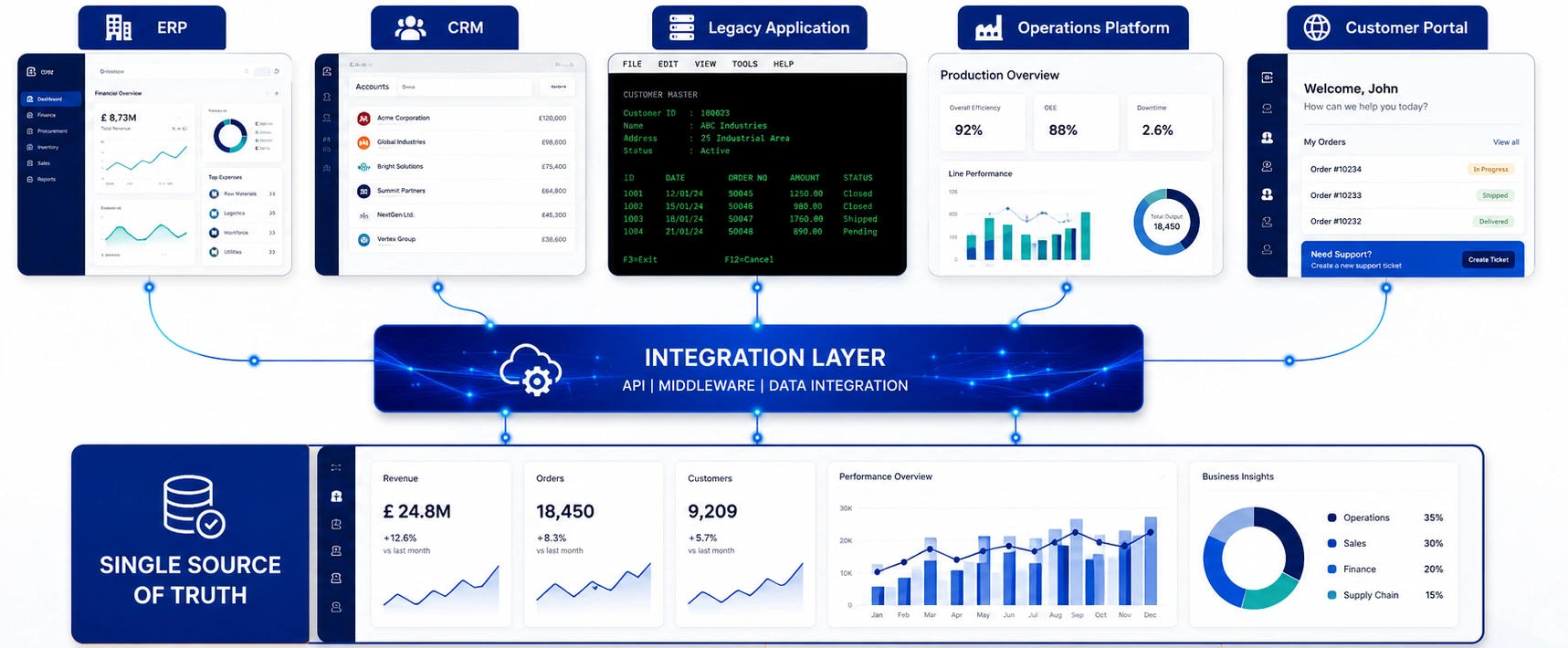
Most enterprises do not replace legacy systems because they are working. The challenge is that they no longer work efficiently. Every new integration takes longer, reporting requires manual effort, data lives in silos, and innovation gets delayed by ageing architecture.
Brownfield Software Development addresses these challenges by modernising existing systems while preserving the business processes that already work.
For CEOs and CTOs, the goal is not simply modernising software.
The goal is creating a technology foundation that supports growth, improves operational efficiency, and enables AI, data, and digital transformation initiatives without putting existing business operations at risk.
Brownfield vs. Greenfield: The Decision That Defines Your Next 5 Years
The choice between brownfield modernisation and greenfield development is not just a technical decision. Therefore, it deserves to be evaluated at the board level.
| Time to first value | 6–16 weeks (incremental) | 12–24+ months |
| Cost | 60–70% lower | Full rebuild investment |
| Business continuity risk | Low — live systems stay running | High — migration window required |
| Institutional knowledge | Preserved in existing code | Often lost in rebuild |
| IoT & AI readiness | Achievable incrementally | Achievable — but later |
| Regulatory compliance | Easier — existing audit trails kept | Must be rebuilt from scratch |
For most UK enterprises, particularly in manufacturing, FinTech, and supply chain, brownfield is not the compromise option. Rather, it is the strategically superior choice.
A Real-World Brownfield Use Case: UK Manufacturing Meets IoT & AI
Let us get specific. The following scenario is representative of engagements Azilen has delivered within legacy-heavy operational environments.
How Azilen Approached the Brownfield Modernisation
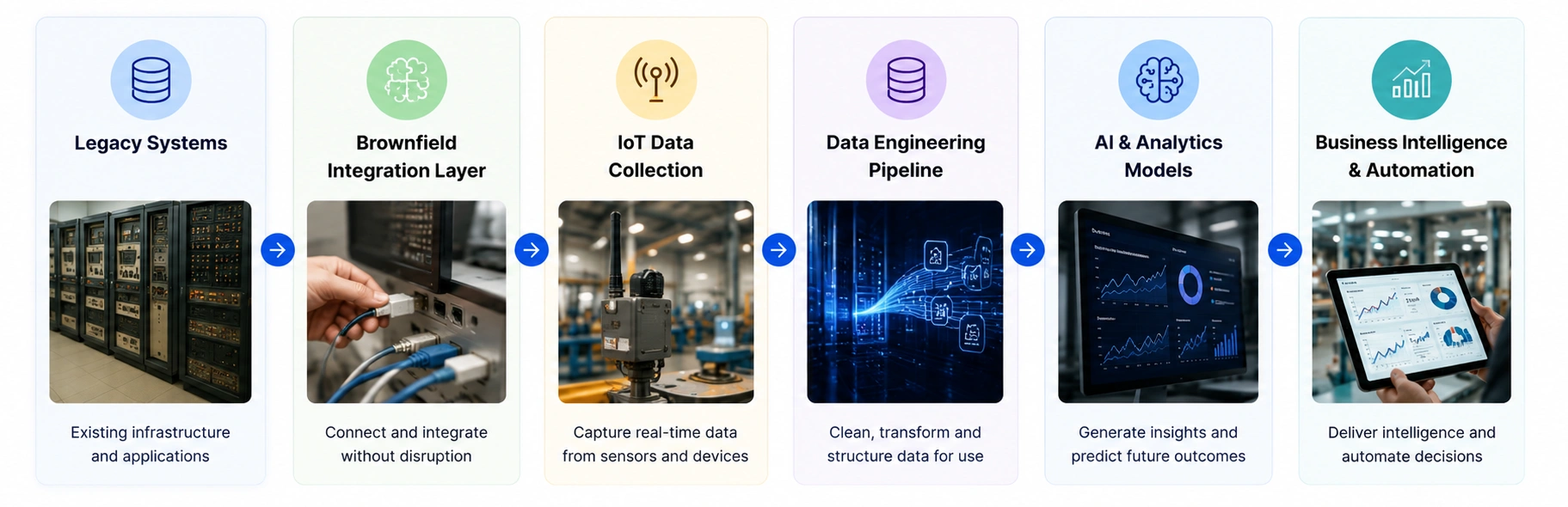
→ Legacy System Assessment: Mapped existing applications, integrations, and business workflows to create a low-risk modernisation roadmap.
→ IoT Integration Layer: Connected sensors and legacy equipment through a lightweight IoT architecture without replacing core systems.
→ Data Engineering Foundation: Built real-time data pipelines that transformed fragmented operational data into trusted insights.
→ AI-Powered Predictive Intelligence: Developed machine learning models that identified potential equipment issues before failures occurred.
→ Unified Visibility & Alerts: Delivered dashboards, alerts, and operational insights directly within existing business applications.
The Result – 9 Months Post-Deployment
The existing MES was not replaced. Instead, it became significantly more powerful.
Furthermore, because the architecture was modular, the client subsequently added demand forecasting and quality inspection AI, both built on the same data engineering foundation Azilen had laid.
Why Brownfield Software Development, IoT, and AI Work Best Together
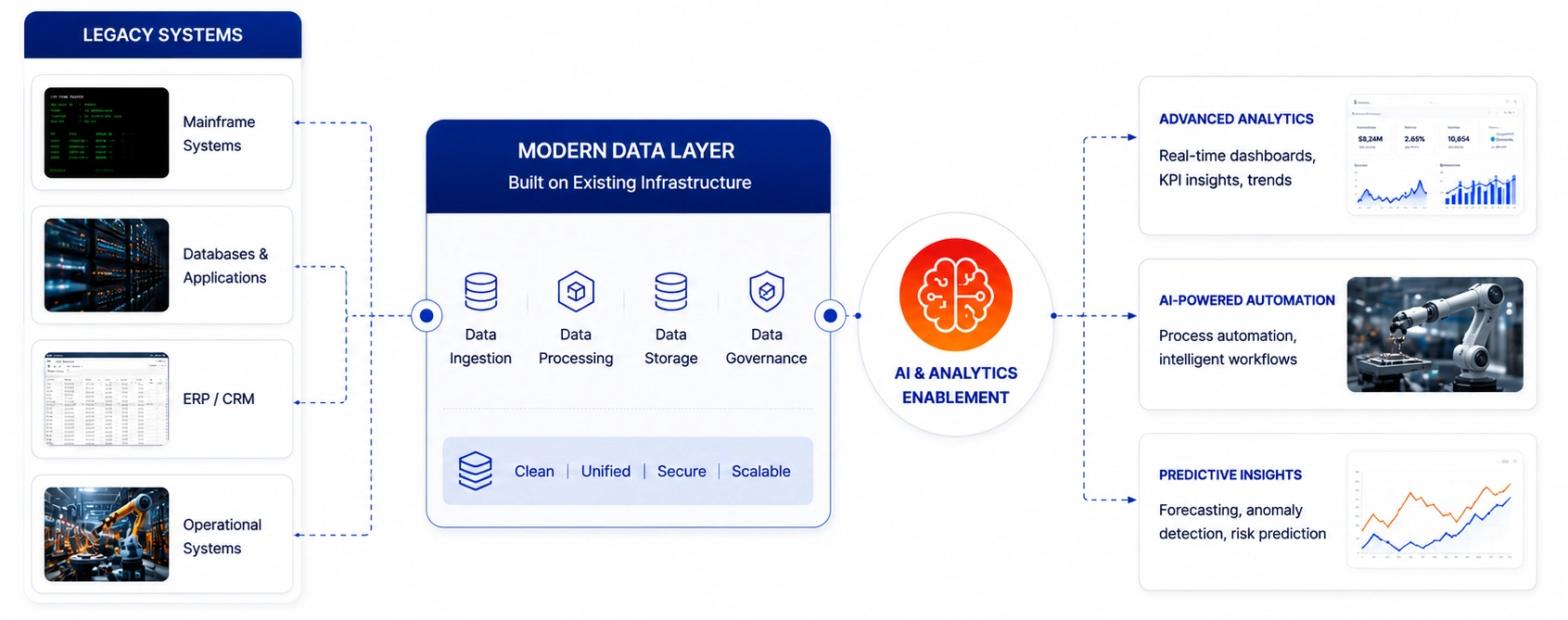
Most organisations invest in IoT or AI expecting immediate value. The reality is that neither delivers results without the right data foundation. Brownfield Software Development provides the missing layer that connects legacy systems, operational data, and modern intelligence.
| Brownfield Modernisation | Connect and modernise existing systems without disruption | Lower risk and faster transformation |
| IoT Integration | Capture real-time operational and machine data | Complete operational visibility |
| Data Engineering | Clean, structure, and govern data across systems | Trusted, analytics-ready data |
| AI & Advanced Analytics | Generate predictions, automation, and insights | Smarter business decisions |
| Business Applications | Deliver intelligence to users and workflows | Measurable operational impact |
How the Value Flows

Business Impact
→ Transform legacy systems into intelligent business platforms.
→ Enable AI without replacing core operational systems.
→ Create a trusted foundation for real-time decision-making.
→ Accelerate digital transformation while preserving existing investments.
→ Improve governance, compliance, and long-term scalability.
FAQs: Brownfield Software Development
1. What is Brownfield Software Development?
Brownfield Software Development is the process of modernising existing software systems instead of replacing them completely. Businesses upgrade legacy applications, integrate modern technologies, and improve performance while keeping critical operations running. This approach reduces risk, lowers costs, and delivers faster results than building entirely new systems from scratch.
2. What are the benefits of Brownfield Software Development?
Brownfield Software Development helps organisations reduce technical debt, improve system performance, and integrate modern technologies such as AI, cloud, and IoT. It allows businesses to modernise existing systems without disrupting operations, making digital transformation faster, more cost-effective, and less risky than a complete software replacement.
3. How is Brownfield Software Development different from Greenfield Development?
Greenfield Development involves building a completely new system from the ground up. Brownfield Software Development improves and extends existing systems while preserving valuable business processes and data. For many enterprises, brownfield modernisation offers a faster path to innovation because core operations continue running during the transformation process.
4. Can Brownfield Software Development support AI, Cloud, and IoT integration?
Yes. One of the biggest advantages of Brownfield Software Development is the ability to integrate AI, cloud platforms, IoT devices, and modern data solutions with existing systems. This enables organisations to unlock new capabilities and business value without replacing their entire technology infrastructure.
5. When should a business choose Brownfield Software Development?
A business should consider Brownfield Software Development when legacy systems still support important operations but limit growth, innovation, or integration capabilities. It is ideal for organisations looking to modernise technology, improve agility, reduce maintenance costs, and adopt AI-driven solutions without the risks of a full system replacement.
Glossary
→ Brownfield Software Development: The practice of modernising existing software systems without replacing the entire technology environment.
→ Legacy System: An older software application or infrastructure that continues to support critical business operations.
→ Technical Debt: The long-term cost and complexity created by outdated code, architecture, or technology decisions.
→ System Modernisation: The process of upgrading existing applications, infrastructure, and workflows to improve performance and scalability.
→ API Integration: A method that allows different software systems and applications to communicate and exchange data seamlessly.
→ Data Engineering: The practice of collecting, cleaning, transforming, and organising data for analytics, AI, and business intelligence.
→ IoT Integration: Connecting sensors, devices, and machines to software platforms for real-time data collection and monitoring.
→ Enterprise AI: Artificial intelligence solutions designed to automate processes, generate insights, and improve business decision-making.
→ Cloud Migration: Moving applications, data, or workloads from on-premise environments to cloud-based infrastructure and services.
→ Digital Transformation: The adoption of modern technologies to improve business operations, customer experiences, and organisational agility.