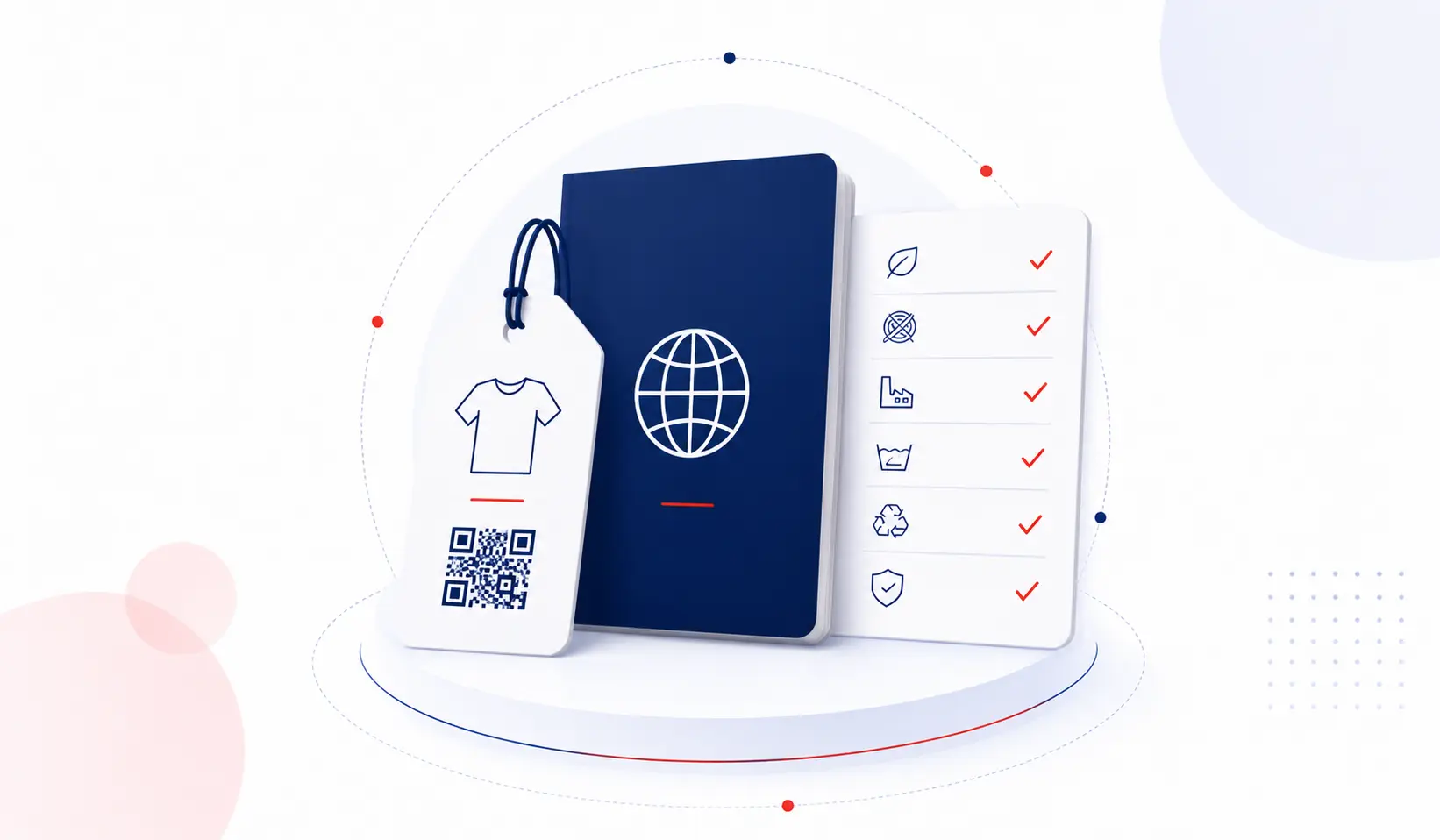

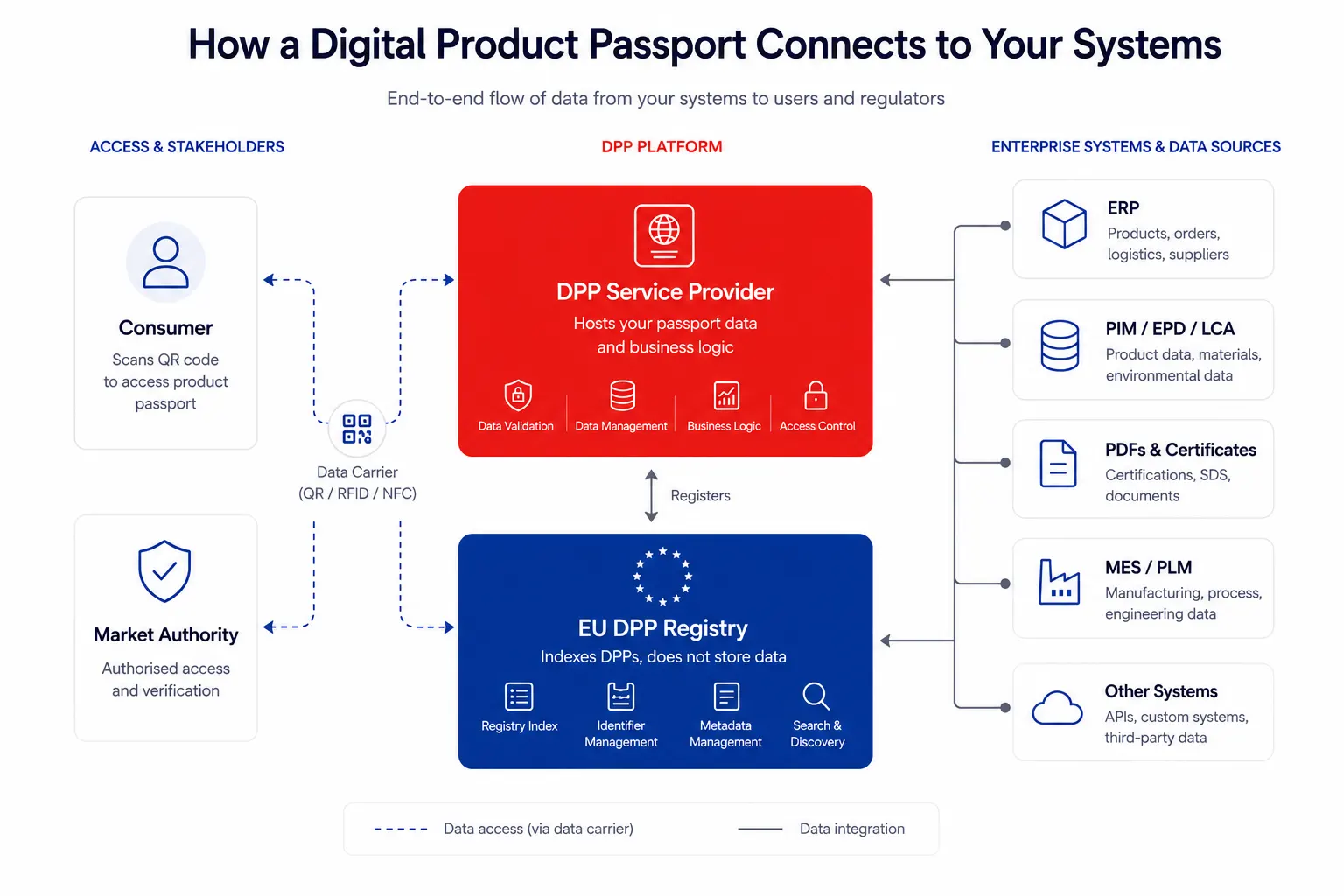



Right now, in boardrooms across the UK, compliance teams are staring down a logistical nightmare. The European Union’s Ecodesign for Sustainable Products Regulation (ESPR) is moving from policy draft to concrete enforcement. For any UK business that manufactures, sells, or exports goods into Europe, the mandate is clear: you must soon provide a Digital Product Passport (DPP) for every product you place on the market.
The immediate reaction from most operations leaders is pure frustration. It feels like yet another expensive, bureaucratic hurdle dropped onto an already strained supply chain. To comply, your teams have to track down raw material origins from uncooperative tier-two suppliers, extract carbon data from siloed legacy systems, and figure out how to securely store and share hundreds of data points per item.
“Businesses shouldn’t think about digital product passports as a legal requirement, even if it is. Translate legal language into information that customers can understand and appreciate. Think of it as an extension of your marketing.” – Shep Hyken, Customer Service & Experience Expert, Author
If you treat this strictly as an administrative box to check, it will be exactly that: a permanent cost center that drains your resources without adding a single penny to your bottom line. You will spend months stitching together fragmented data pools just to print a sterile barcode on a label that your customers will completely ignore.
But there is a much smarter way to play this hand.
The exact same infrastructure required to satisfy a regulatory inspector can be leveraged to build the most impactful customer loyalty engine your brand has seen in a decade. By utilizing professional DPP integration services, you can transform a forced regulatory burden into a transparent, interactive experience that captures customer trust and drives repeat business.
 16 mins