 The phrase “permanent operational shift” is key. This isn’t a one-time project with a go-live date. It’s a change to how your business captures, stores, validates, and shares product data, indefinitely.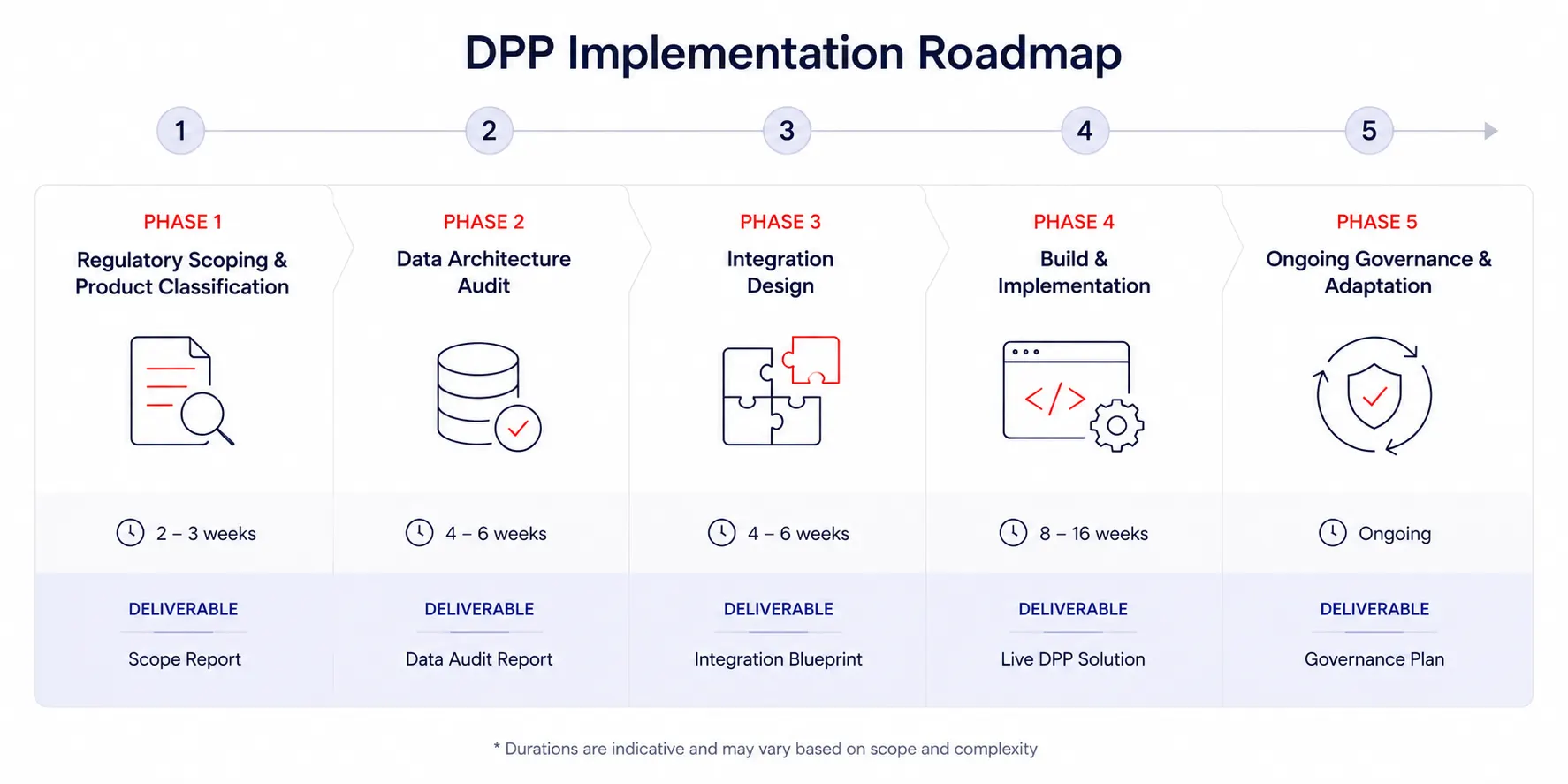


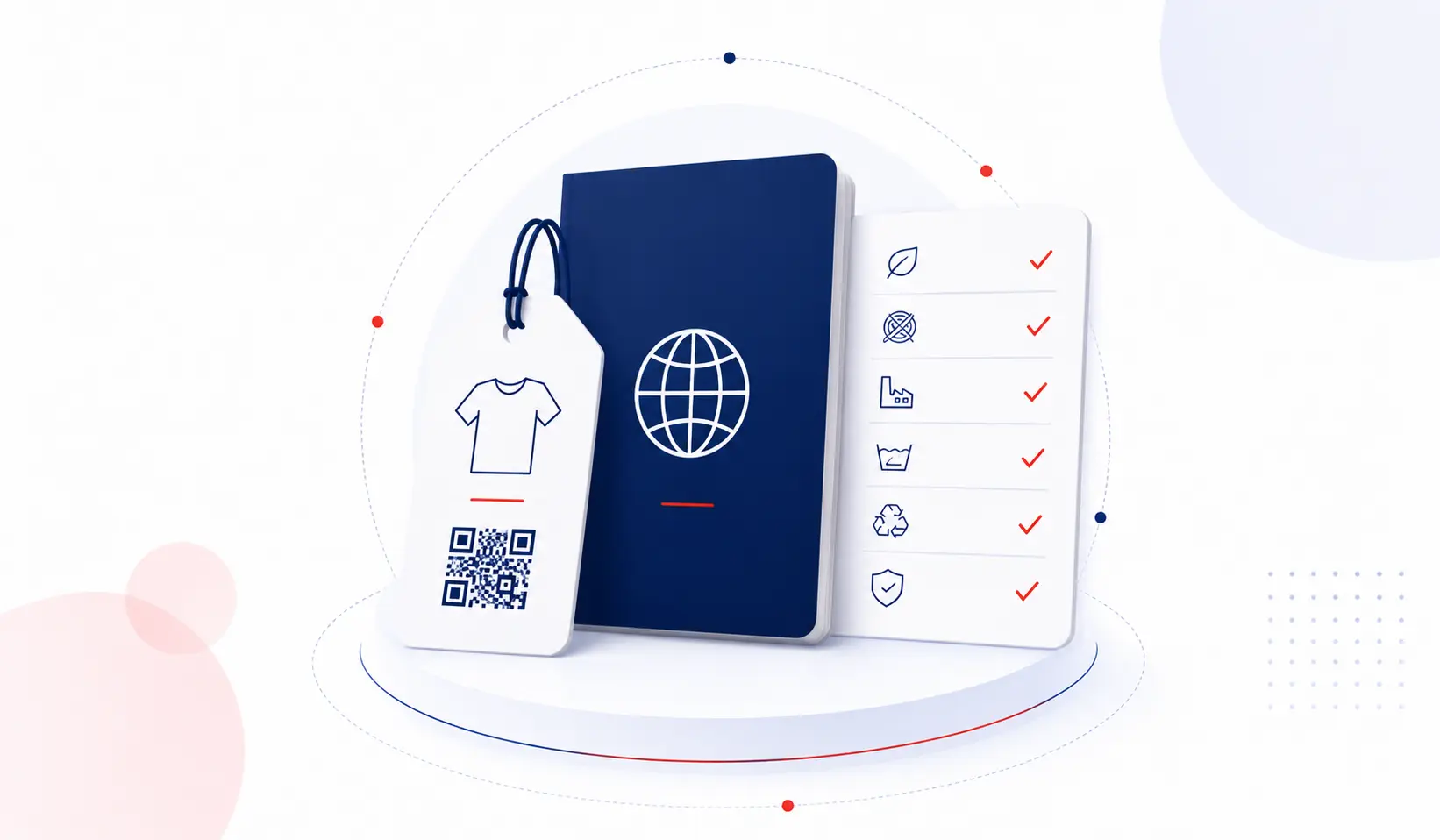
Why Does Your Business Need a Digital Product Passport? And Why Does It Matter Right Now?
Most enterprises already have a rough idea of what a Digital Product Passport is. A digital record. A QR code. Lifecycle data. Regulatory requirement. Fine.
What’s less understood is the urgency and more importantly, the business case for moving before you’re forced to.
The ESPR has been in force since July 2024. The EU Battery Regulation’s passport requirements entered phased enforcement in 2026. Product-specific delegated acts, the legally binding rules that define exactly what data your passport must contain, in what format, for which categories are being finalized right now. Requirements will be introduced through product-specific delegated acts between 2026 and 2030, and obligations apply to products placed on the EU market, including those manufactured outside it.
That last part matters more than people realize. If you manufacture in the UK, South Asia, or anywhere outside the EU and sell into European markets, the mandate still applies to you. No exceptions for geography of production.
The global DPP market was valued at $275 million in 2025 and is projected to reach nearly $3 billion by 2033, growing at a CAGR of 35.5%. – Grand View Research
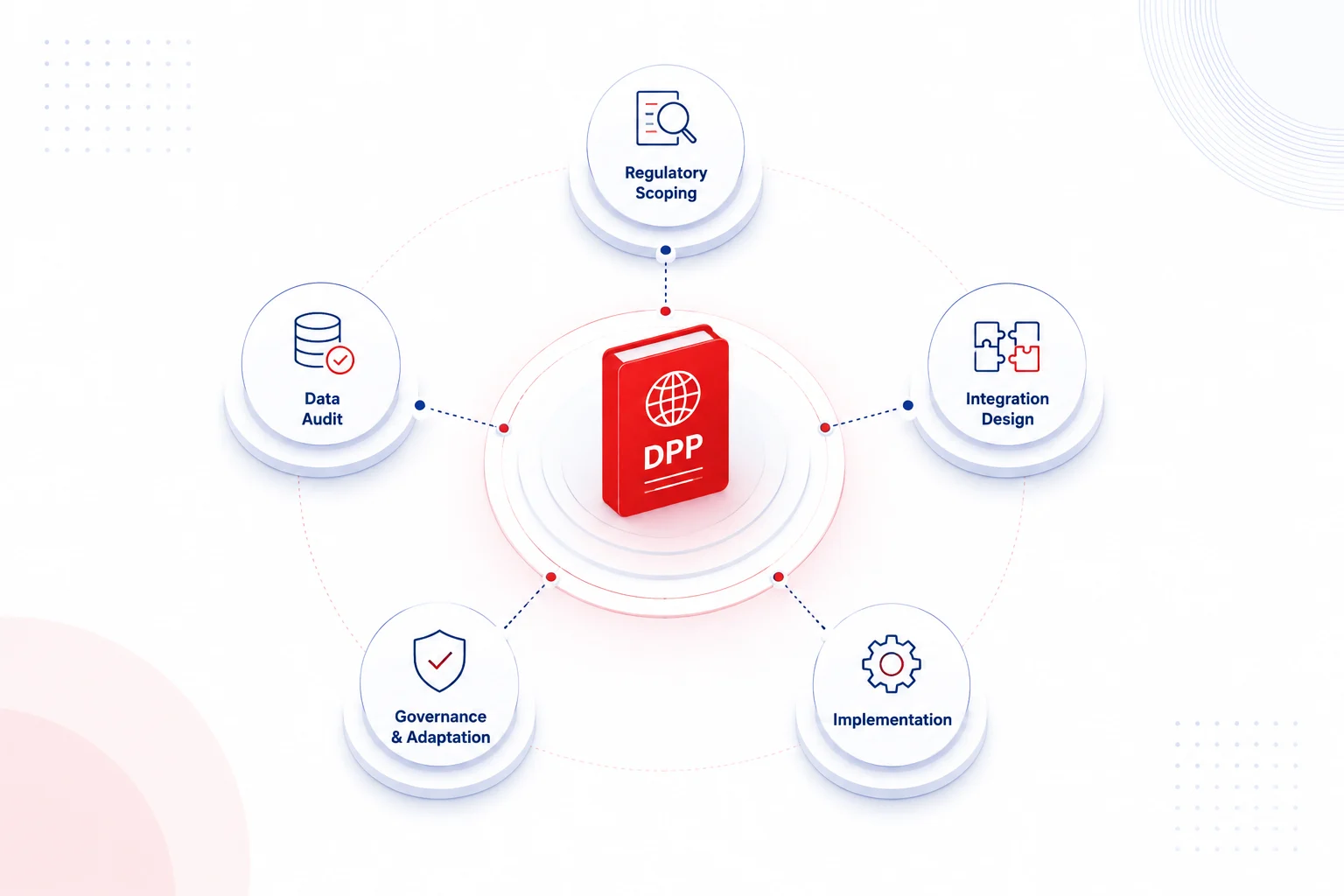
Here’s the real reason to leverage DPP consulting now rather than later. The data architecture, supplier onboarding workflows, and integration work required to deliver a compliant passport typically take twelve to twenty-four months to build properly. Companies that wait for their specific enforcement deadline and then start are already behind. The ones that move in 2026 are the ones that will comply smoothly in 2028 and spend the time in between using their passport as a commercial asset while competitors are still figuring out their data gaps.
 12 mins