Product Scope: Inventory active product portfolios and classify items against incoming EU delegated acts. Focus initial engineering sprints on immediate categories like industrial/EV batteries, textiles, and steel.
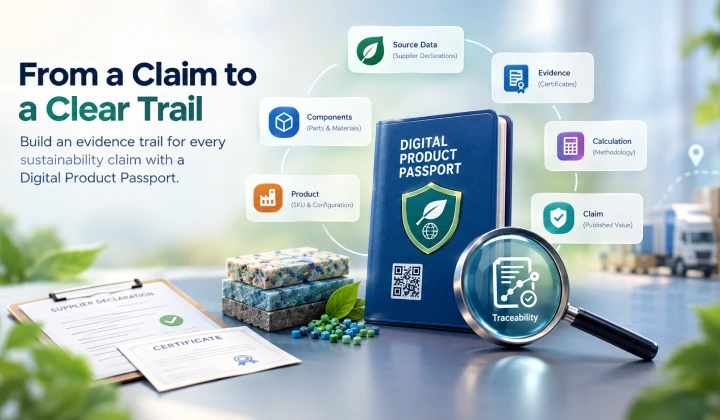
Data Mapping: Eliminate document-locked data. Convert unstructured PDFs, spec sheets, and supplier declarations into standardized, machine-readable datasets (JSON-LD) indexed by Unique Product Identifiers.
Supplier Evidence: Build automated supplier exchange portals and cryptographically signed data pipelines. Replace manual email collection with standardized APIs that validate incoming material declarations in real time.
System Readiness: Verify that internal platforms support open, interoperable protocols like GS1 Digital Link and ISO/IEC 15459. The central EU Registry acts as an indexing lookup service, detailed payload storage remains decentralized on your infrastructure.
Roles & Access Controls: Implement fine-grained attribute-level encryption. Expose public sustainability summaries to end-consumers while restricting sensitive repair schematics, full BOMs, and trade secrets to authenticated auditors and recyclers.
Data Governance: Design systems to manage data updates over the full lifespan of the physical item. Establish historical audit logging, version control, and continuous integration pipelines to keep published DPPs accurate over time.
Security & Authentication: Safeguard registry connection credentials and utilize cryptographic standards (such as W3C Verifiable Credentials) to prevent payload tampering, counterfeiting, or unauthorized edits.
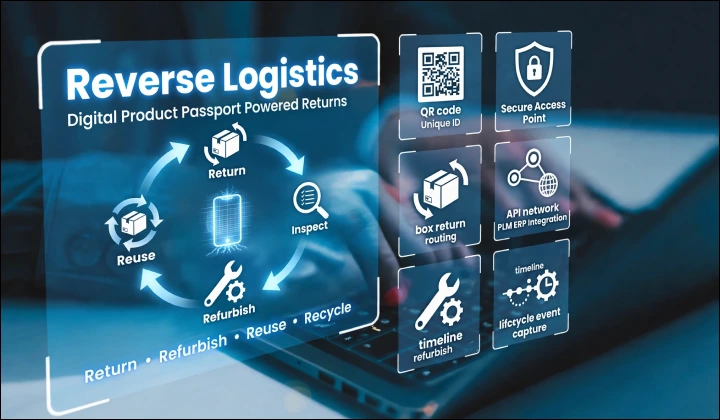
Physical Compliance Linking: Upgrade manufacturing execution systems (MES) and packaging lines to attach, print, or embed durable data carriers (GS1 QR codes or RFID tags) that permanently link physical units to their cloud-hosted DPPs.








 21 mins